No Results Found

Popular Opinions (Last 28 Days)

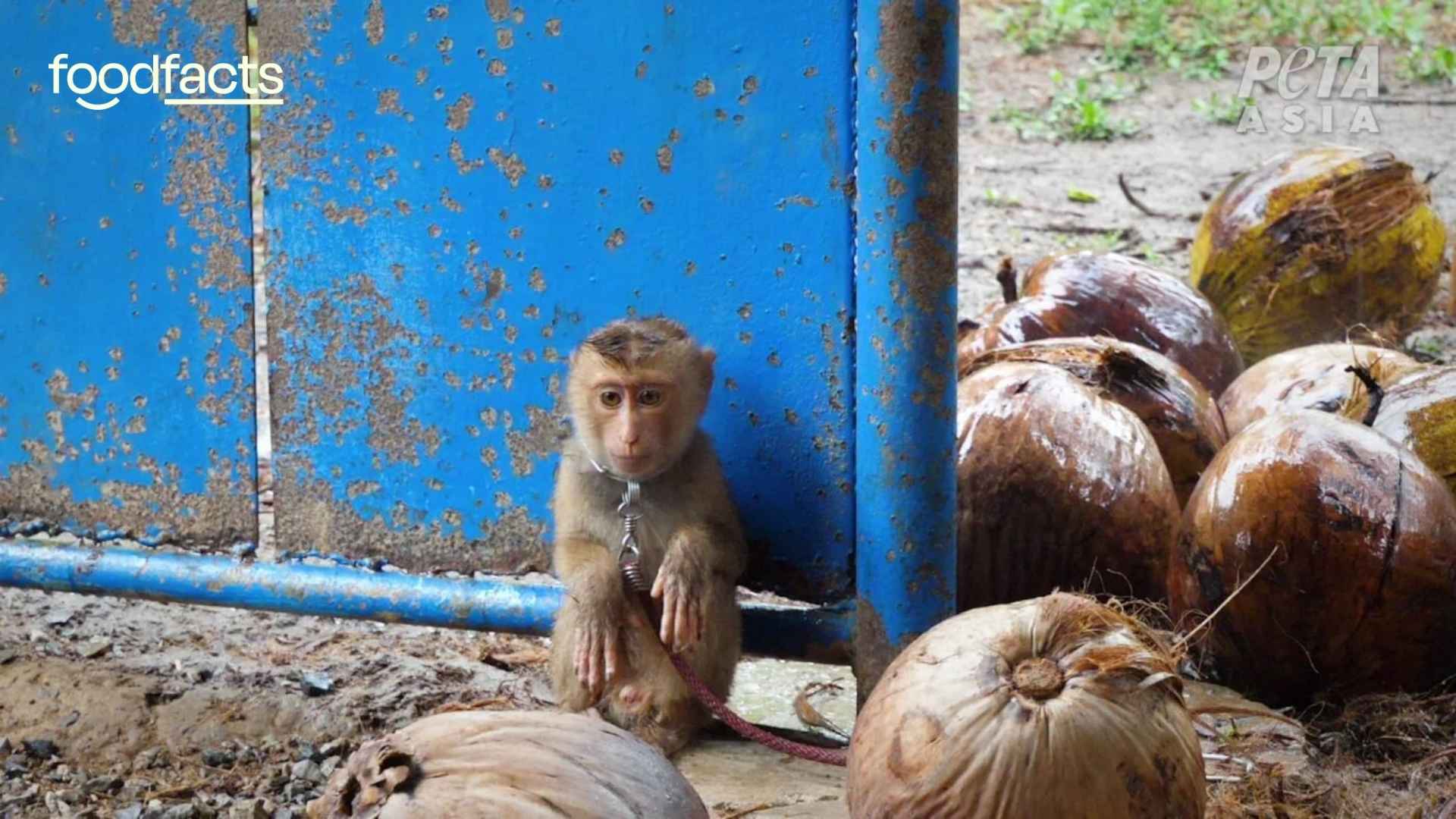
A monkey sits chained looking sad. The monkey is used for forced labour in a coconut farm.
FACT CHECK
Opinion
Ethics

Forced monkey labour on coconut farms: what you need to know and how to shop ethically

Forced monkey labour is common practice on Thai coconut farms. Learn more about this cruel practice and how you can shop for ethical coconut products.
A person reaches out to a grocery shop aisle full of junk food. This symbolizes the limited range of choice consumers have if they want to avoid junk food.
FACT CHECK
Opinion
Food Systems

Britain’s junk food trap: how corporate power and ultra‑processed diets are rigging our food system, and how to fix it

Britain’s junk food trap: how a rigged food system fuels the UK’s diet crisis, and why putting whole foods first is the only way out.
Santa sits on a large pile of Brussels sprouts with a sign that reads 'stop wasting brussels sprouts'
FACT CHECK
Opinion
Food Systems

Why 50 million Brussels sprouts end up in the bin at Christmas

Every December, Britons toss away enough Brussels sprouts to feed a small nation. But sprouts aren't the problem; our treatment of them as a single-use seasonal commodity is. Here's why we need to rethink our relationship with this misunderstood vegetable.
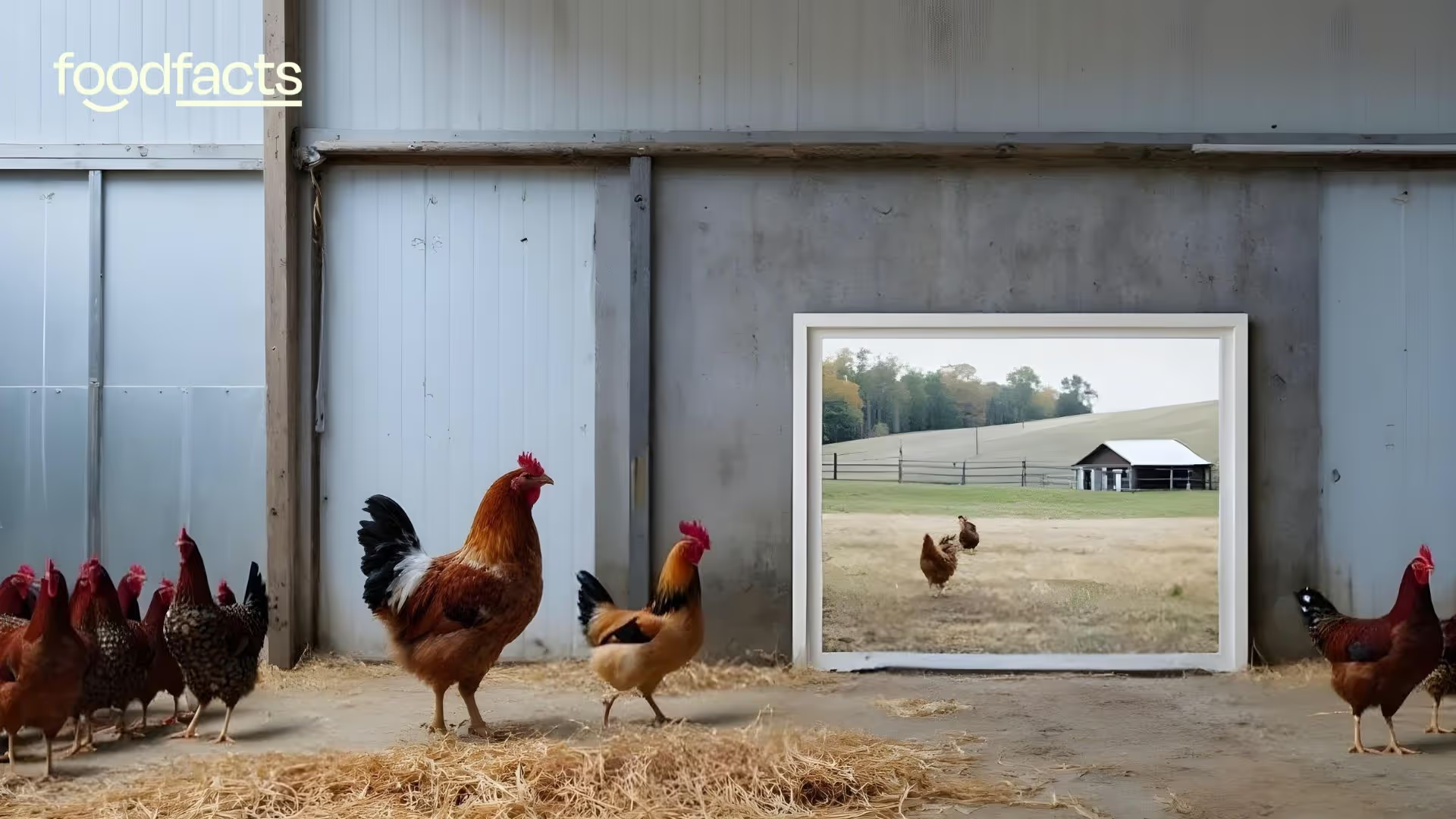
A chicken is housed indoors. There is a small gap leading to an outdoor space, but the chickens do not go there.
FACT CHECK
Opinion
Ethics

What does 'free range' really mean? The facts behind the label

People often imagine animals in free-range farms as roaming freely in lush pastures. In reality, some free-range animals may never step foot outside.
A turkey stands in a cramped farm
FACT CHECK
Opinion
Ethics

Have you ever wondered about the life your Christmas turkey had?

This Christmas, it’s not just what’s on the plate that matters – it’s the untold story behind your turkey and the traditions we rarely stop to question.
A digital illustration shows two people sat across from each other. This visual complements the article "Are Podcast Hosts Spreading Health Misinformation? What the Latest Studies Reveal," which discusses how misinformation can spread through podcasts, particularly in health and wellness discussions. The article emphasizes the need for critical thinking and fact-checking to navigate misleading or unverified claims made by podcast hosts.
FACT CHECK
Opinion
Nutrition

Steven Bartlett’s podcast and the spread of health misinformation: a doctor’s response

From Mic to Myth: The Alarming Rise of Health Misinformation in Podcasts
A variety of glass bottles filled with different oils are displayed on a wooden surface, surrounded by whole food sources like avocados, almonds, soybeans, and flaxseeds. This image reflects the themes of the article, which explores the risks of seed oil mislabeling, allergy concerns, and misinformation—highlighting the importance of transparency and accuracy in food labeling and nutritional guidance.
FACT CHECK
Opinion
Nutrition

Understanding seed oil cards: the risks of mislabelling allergies

Seed oil cards may look helpful—but when they spread myths and miss allergy risks, they’re more harm than hack.
See all opinions

Arm yourself with knowledge.

Dive into our collection of resources to uncover the facts behind today’s food system. From the environmental impact of food choices to the truth about nutrition claims, we’ve got you covered. Equip yourself to make informed, empowered decisions every day.

Take Action
Have a question about Foodfacts?
Ask a Question!
Restart Chat
This will clear your current conversation.
Restart
Cancel
Food Facts Logo in orange and green
What is this?
Powered by AI
The information provided by this chatbot is generated by AI and intended for general guidance only; it should not replace professional advice.
hey
hey